Settlement Repair
Differential foundation settlement — how it is confirmed, watched, and addressed.
San Diego County foundation settlement diagnostics — why a foundation settles, how to tell normal settling from a structural problem, and how independent local providers compare repair methods for your specific soil and settlement pattern.
Settlement RepairRequest ServiceAn inspection is the first confirmed look at what a house is actually doing — measured against something, not just observed. Here is what it checks, and the honest limit of what a single visit can conclude.
Request an inspection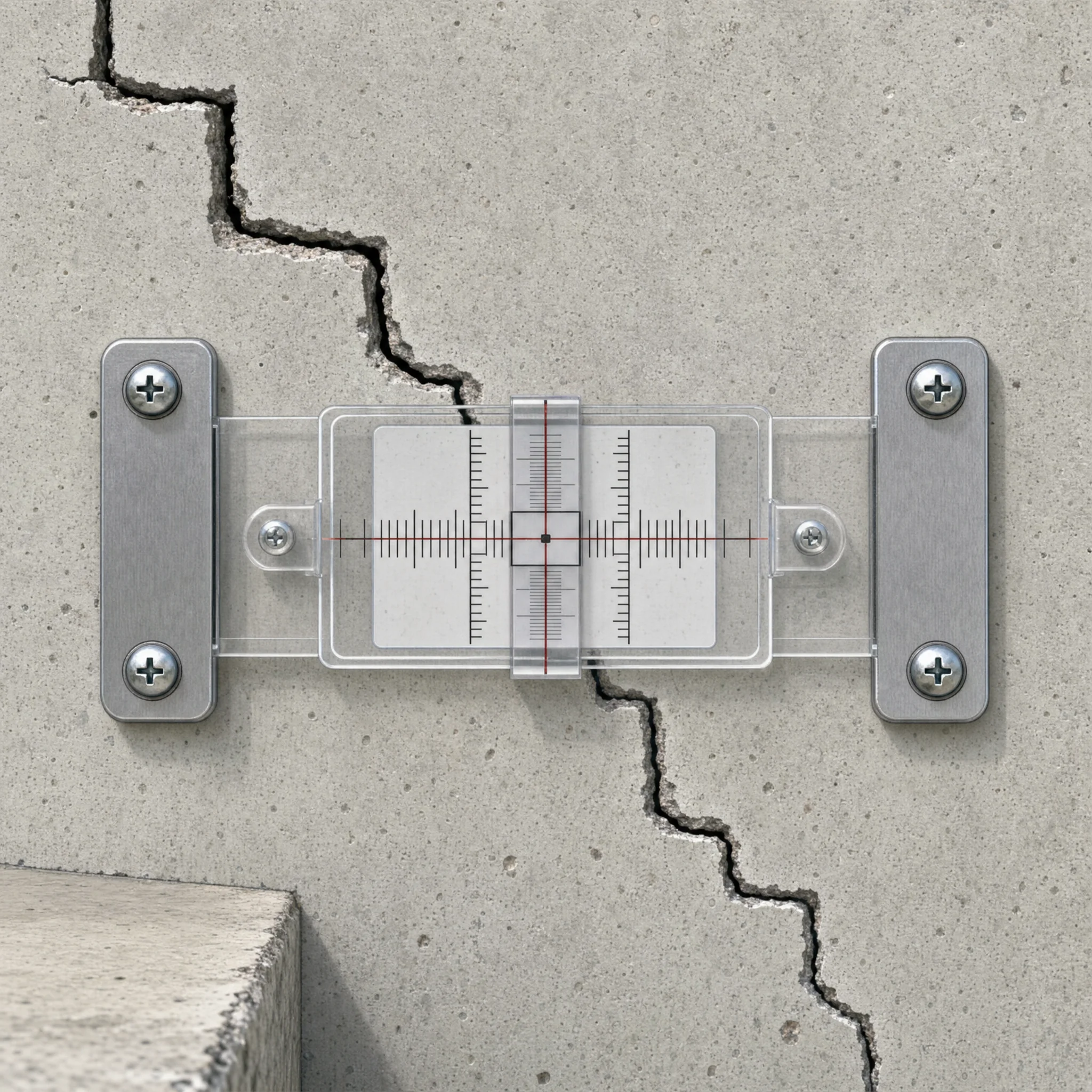
Measures a crack's exact width at a point in time, so a later measurement can show real change rather than a subjective impression.
Measures floor elevation across a room or structure to quantify how much variation actually exists.
Checks for elevated moisture near the foundation, relevant because drainage and moisture cycling are common settlement contributors.
Sometimes, yes — a clear, worsening pattern with obvious measurements can be confirmed in one visit. Other times the picture is genuinely ambiguous, and the honest answer is to monitor over a period rather than conclude from a single look.
Nothing special is required. If you have noticed when a symptom started or whether it has changed, that timeline is useful information to have ready.
Both, where possible — visible drainage issues or nearby tree roots can point toward a likely cause during the same visit. A definitive cause in a more ambiguous case sometimes needs a geotechnical assessment beyond what a foundation inspection alone covers.
The specific signs that separate ordinary, settled house movement from active differential settlement worth addressing.
What a known or suspected settlement history actually requires when a property goes on the market.
The well-documented causes of differential settlement, read through what each one actually does to a monitoring trend line.
Tell us what you are seeing and where, and we will help you get a confirmed look at what your foundation is actually doing.
Request Service